
Two islands, two entirely different holidays
Neither island is "better" — they're built around different things. This is the honest, unranked version, always shown side by side rather than hidden behind a toggle.
Geothermal, Māori culture, cities
Steaming volcanic valleys, living Māori cultural centres, a subtropical island-studded bay, and New Zealand's biggest, most diverse city.
- Rotorua's bubbling mud pools and geysers
- Auckland's food scene and harbour life
- Wellington's museums, film industry and cafés
- Bay of Islands' warm subtropical coastline
Fjords, glaciers, mountains, adventure
The Southern Alps run the island's full length, glaciers reach almost to sea level, and fjords cut deep into the west coast.
- Milford Sound's cliffs and waterfalls
- Queenstown's bungy jumping and adventure sports
- Franz Josef and Fox Glaciers near the rainforest
- Wide-open, empty scenic drives
Answer a few, see which way you lean
Five real trade-offs between the islands. Pick whichever side of each one matters more to you — answer as many or as few as you like, in any order, and change your mind anytime. The bar below updates live.
Answer a few of the cards above and your lean will appear here.
What each island is actually built around
Not a checklist — four representative places per island, each covered on its own terms.
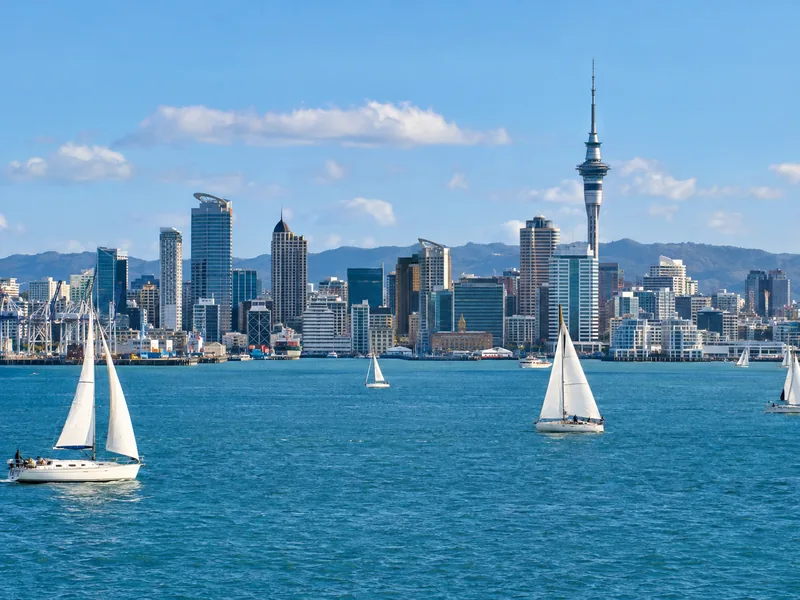
Auckland
New Zealand's biggest city, built across dozens of extinct volcanic cones.
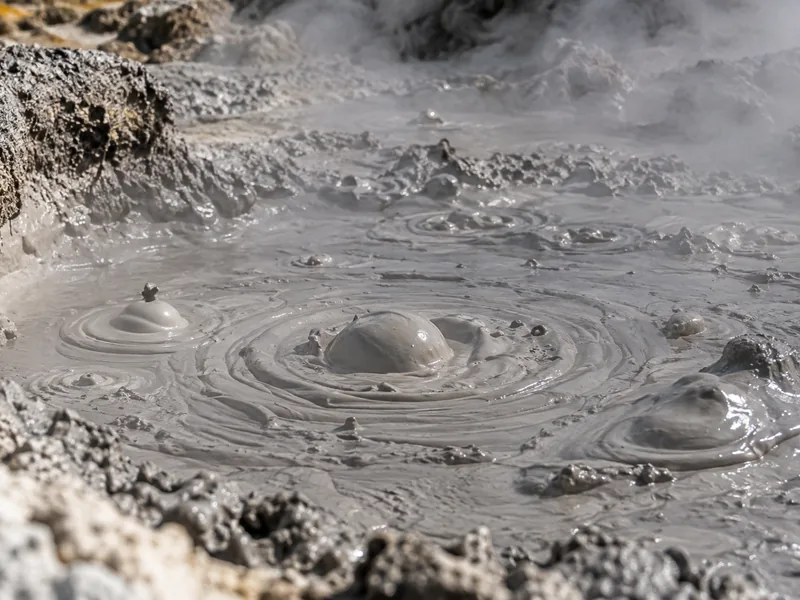
Rotorua
Geysers, mud pools and living Māori cultural centres.
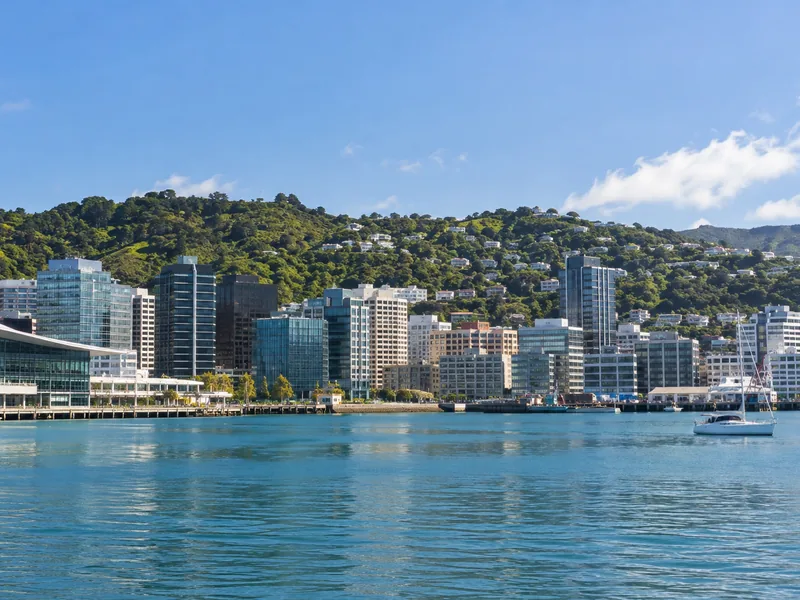
Wellington
The capital — museums, cafés and a real film-industry story.
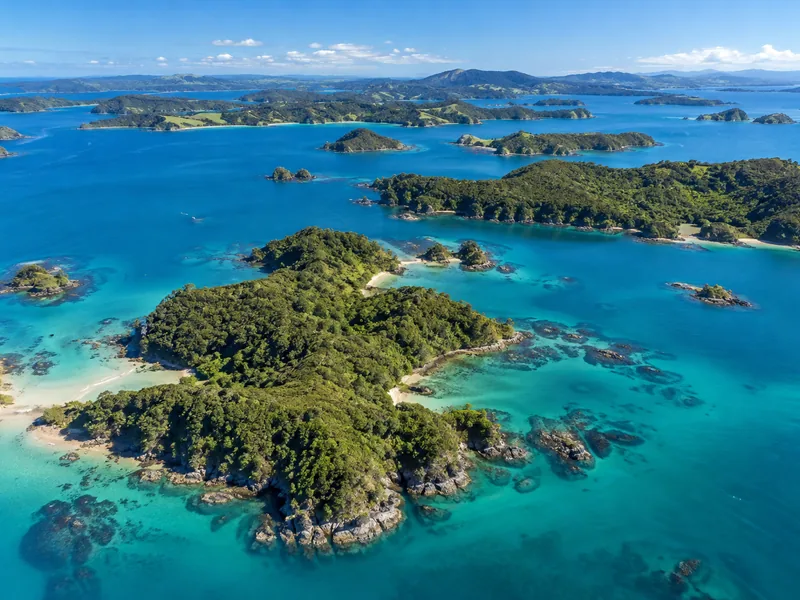
Bay of Islands
144 subtropical islands, and where the country's founding treaty was signed.
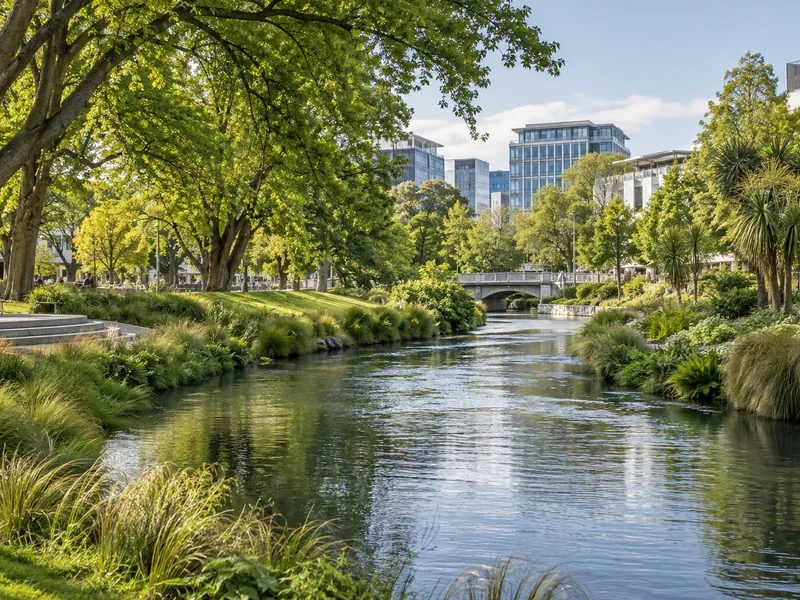
Christchurch
The Garden City, rebuilt with real intent after 2011.
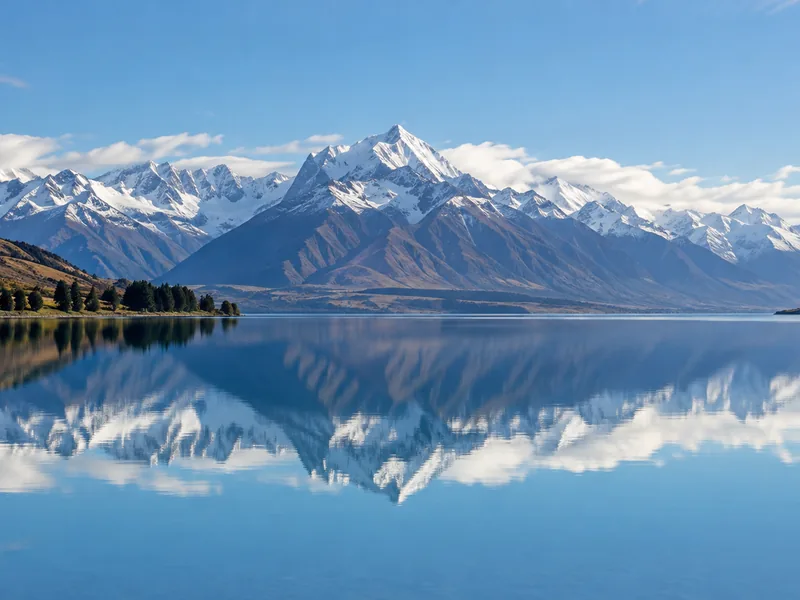
Queenstown
Where commercial bungy jumping began, ringed by mountains.
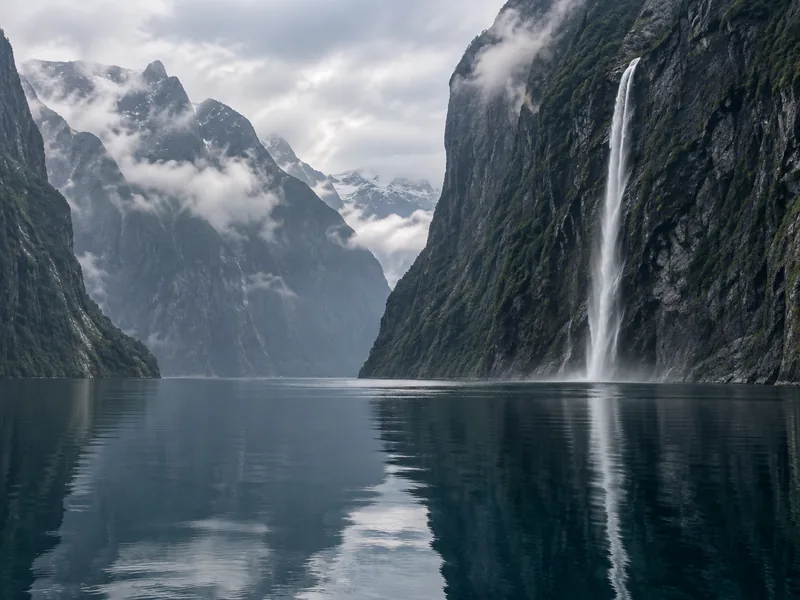
Milford Sound
Cliffs, waterfalls and one of the wettest places on Earth.
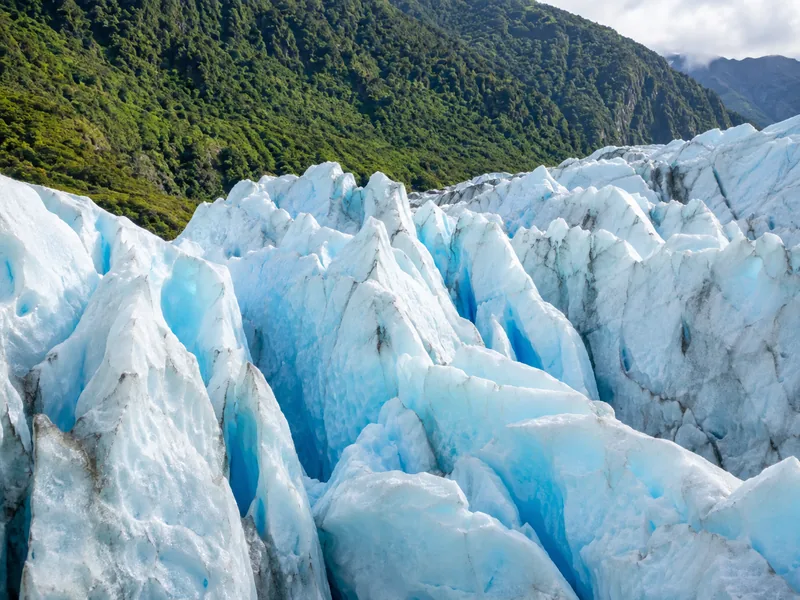
Franz Josef & Fox
Glaciers that reach almost into temperate rainforest.
The practical differences that actually matter
| Factor | North Island | South Island |
|---|---|---|
| Biggest city | Auckland | Christchurch |
| Capital | Wellington (also North Island) | — |
| Share of NZ's population | Roughly three in four New Zealanders | Roughly one in four New Zealanders |
| Landscape headline | Volcanic plateau, geothermal fields | Southern Alps running the island's length |
| Signature drive | State Highway 1 through the volcanic centre | Milford Road through Fiordland |
| Winter feel | Mild, rarely snows at sea level | Cold, snow on the Alps and ski towns |
Splitting your trip is a completely normal answer
Most visitors with two weeks or more end up doing both islands. Here's what that actually looks like at three different trip lengths — full detail on the itineraries page.
10 days: North Island only
Auckland, Rotorua, Wellington and the Bay of Islands, at a pace that doesn't feel rushed. No inter-island ferry to plan around.
10 days: South Island only
Christchurch, Queenstown, Milford Sound and the glaciers — the classic South Island loop, without trying to also cover the North.
21 days: both islands
A genuine full-country trip, with the Cook Strait ferry (or a short domestic flight) as the link between an abridged version of each island's highlights.
Trying to properly "do" both islands in under two weeks usually means seeing neither one well — long transfer days eat the time you meant to spend actually being somewhere. If you've got 10-14 days, this guide's honest advice is to pick one island properly rather than rush both.